Negros Fruit Dove
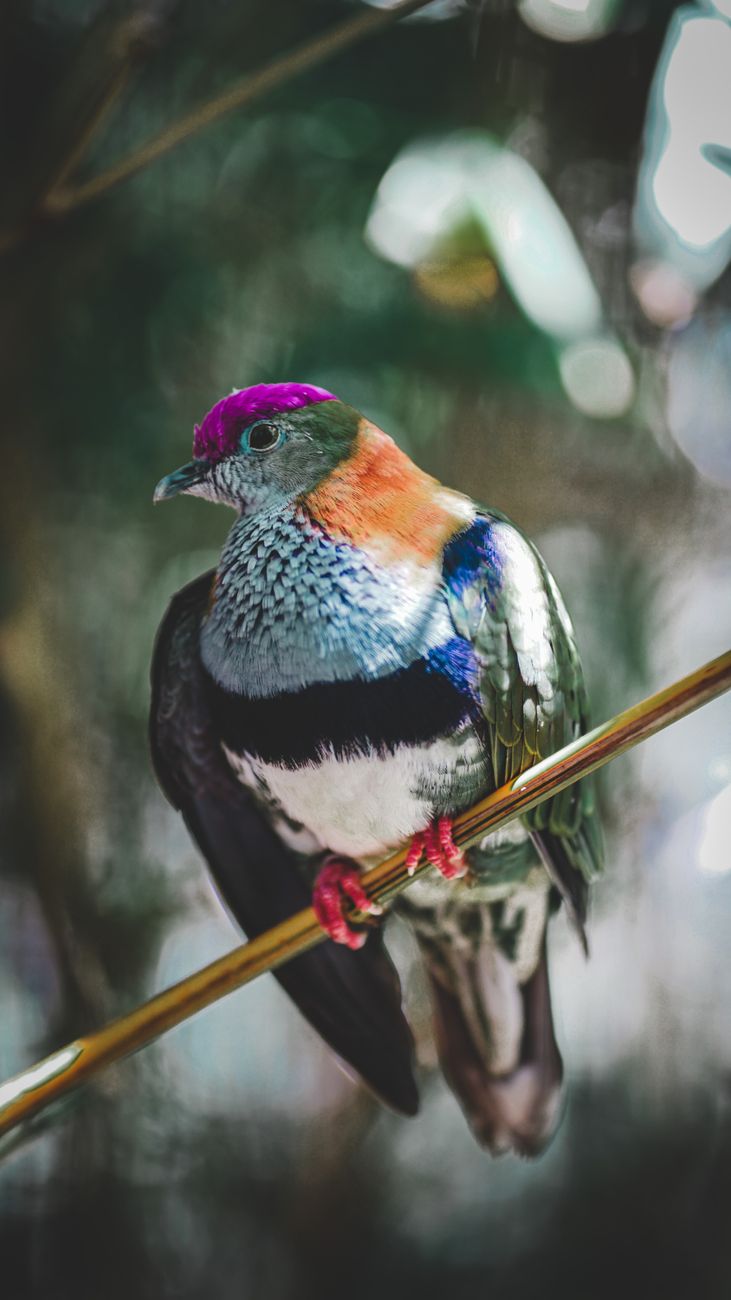
Every time I draw irrigation lines across a farm map, I'm deciding where water goes — and by extension, what land stays farmed and what stays wild. The Negros fruit dove is the whole point of that question in one small body: a bird that survives only in the lowland forest we keep converting to sugarcane.
Facts grounded in Wikidata (Q338746) — source.
Why "the arcanus" matters
The specific epithet arcanus — "hidden" — is apt. The Negros fruit dove is known from specimens so few that its natural history is mostly inference. It belongs to Ptilinopus, the fruit doves, a genus built for the canopy: short legs, fruit-forward diet, and the kind of plumage that reads as ornate to us and as camouflage among dappled leaves and ripe figs to a hawk.
What threatens it
Negros has one of the highest rates of original forest loss in the Philippines. The lowland dipterocarp and fig-rich forest this dove depends on has been cleared, over a century, for sugarcane — the island's monospecific cash crop. A fruit dove has no future in a field of cane. Habitat fragmentation, pressure from hunting for the cage-bird trade, and a genuinely tiny known population stack on top of that.
Where recovery actually happens
Conservation on Negros is not a fence-and-walk-away story. It's an agroecosystem story — native figs and rattan planted back into shade-crop farms, paid for by harvest, guarded by community patrols.
This is where my own work crosses the species' fate. The dove needs intact canopy and year-round fruit. So the useful interventions are the ones that keep forest on the land that isn't worth more as cane: corridor plantings of native fruiting trees along waterways, shade-grown agroforestry that still pays a farmer, and stopping the hunting that turns a rare bird into a cage ornament. It's the same logic as a riparian buffer in my own Utah work — you design the system so the valuable margin stays wild, and then you measure whether the wildlife actually comes back.
Small steady steps — the neighbor thread
Gardener and storyteller adelaide_hensley put it as well as anyone: "small steady steps like scrubbing corners." Edge habitat is the Negros fruit dove's corner. Community-led reforestation with native fig and rattan, guard patrols against hunting — these don't make headlines, but they're the only things that move a Critically Endangered listing toward anything else.